
Introduction
Websites are a significant part of daily life; people often use them for work, shopping, and entertainment. Due to this, it is crucial for websites to be accessible for everyone, including the people who have disabilities. This is when accessibility becomes significant in website design.
Accessibility means to design a website for all sorts of users, no matter their disability. This includes people with low vision, the deaf, or anyone with difficulties. A website should include all the necessary features in order to make it easier for everyone to navigate.
Accessibility For People
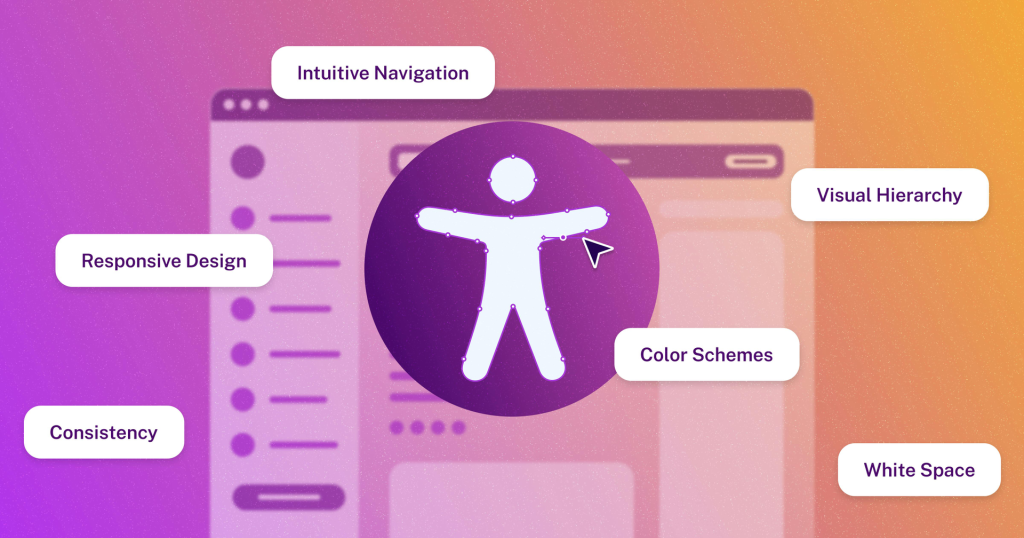
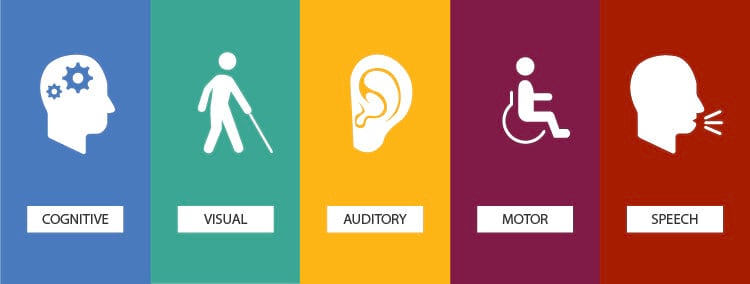
More than a billion people in the world live with some sort of disability, this includes vision problems, hearing problems, etc. Most of these people rely on websites to do their everyday tasks, so if a website is not properly accessible to them, then it makes their lives difficult. The people might not be able to read the content on the page, fill out the necessary form, or use basic features.
Accessible websites help users who use screen reader features, voice control, and keyboard navigation. Adding relevant images with alt text, a proper heading, and a readable font size could make a huge difference for the people. It could give them a better user-experience, and they can complete their daily tasks with minimal to no difficulties. Accessibility is not just a feature or a requirement; it is showing respect for those who have difficulties.
Legal and Ethical Responsibility
There are many countries in the world that made accessibility laws stricter. For example, in the United States, website owners could face legal charges if their website does not follow the accessibility standards that are required. WCAG, which stands for Web Content Accessibility Guidelines, is a set of rules that explains how a website should be built to make it accessible for people who have certain disabilities. The guidelines are created by W3C, which stands for World Wide Web Consortium. Also, businesses are more aware of the accessibility guidelines, because they know that it can lead to lawsuits, fines, as well as a damaged reputation among the community.
Apart from the law, accessibility is also the proper thing to do. It makes life much easier and creates fairness for the people who face difficulties. Companies whose website includes the needed accessibility show that they value all of their users, and they are not biased towards those who do not have any disability.
User Experience for Everyone
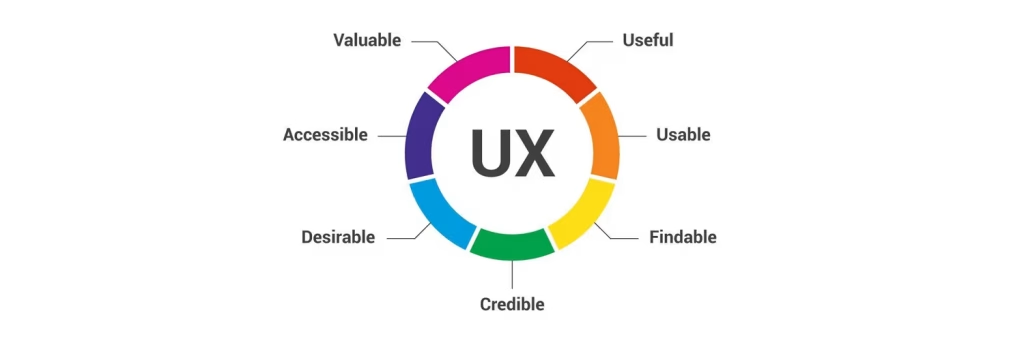
An accessible website does not just help people who have disabilities, but it also improves the quality of the website. A proper navigation, readable fonts, correct color choices with visible contrast, and a simple layout make the website easier for everyone, not just for people who have health difficulties.
For example, if a website has a video on its page, it should have captions as well because it not only makes it easy for people who have hearing difficulties, but if a user is in a busy place, and they want to watch the video and cannot hear the video properly, they can read the captions on the video. Larger buttons make it easy for people who have difficulties seeing things properly, and it can help mobile users due to the screens being small.
A good example of this would be Paws of Love website. This website has all the accessibility features and follows the WCAG guidelines.
Conclusion
In conclusion, accessibility in website design is significant in 2026. It not only helps the people, but it also improves the overall usability, supports SEO, and follows legal laws. Most importantly, it makes it fair for everyone on the internet to access the website without difficulties.
Designing accessibility is not rocket science; it is simple, but it does require awareness and effort. A website is considered “top-notch” when it follows the law and is fair for everyone. By making accessibility a priority, website owners and developers can create an inclusive digital world.